Thinking about a new concrete driveway, patio, or maybe finally fixing up those old walkways? I get a lot of calls from folks right here in Warwick, and after talking to hundreds of homeowners, I've noticed a few questions pop up more than others. It's totally understandable; concrete is a big investment, and you want to get it right, right? So, let's dig into some of those common questions you might have.
How long does concrete flatwork actually last around here?
That's a big one, and the short answer is: it depends. But generally, a well-installed concrete slab should give you 20-30 years, sometimes even more. Now, what does 'well-installed' actually mean? It means proper sub-base preparation – you can't just pour concrete over soft dirt, that's for sure. It means using the right mix for our New England climate, which sees everything from freezing winters to hot, humid summers. It also means proper curing. If a contractor rushes any of those steps, you're looking at a shorter lifespan. We've seen plenty of older homes in Gaspee Point with concrete that's held up for decades because it was done right the first time.
What's the deal with cracks? Are they always a problem?
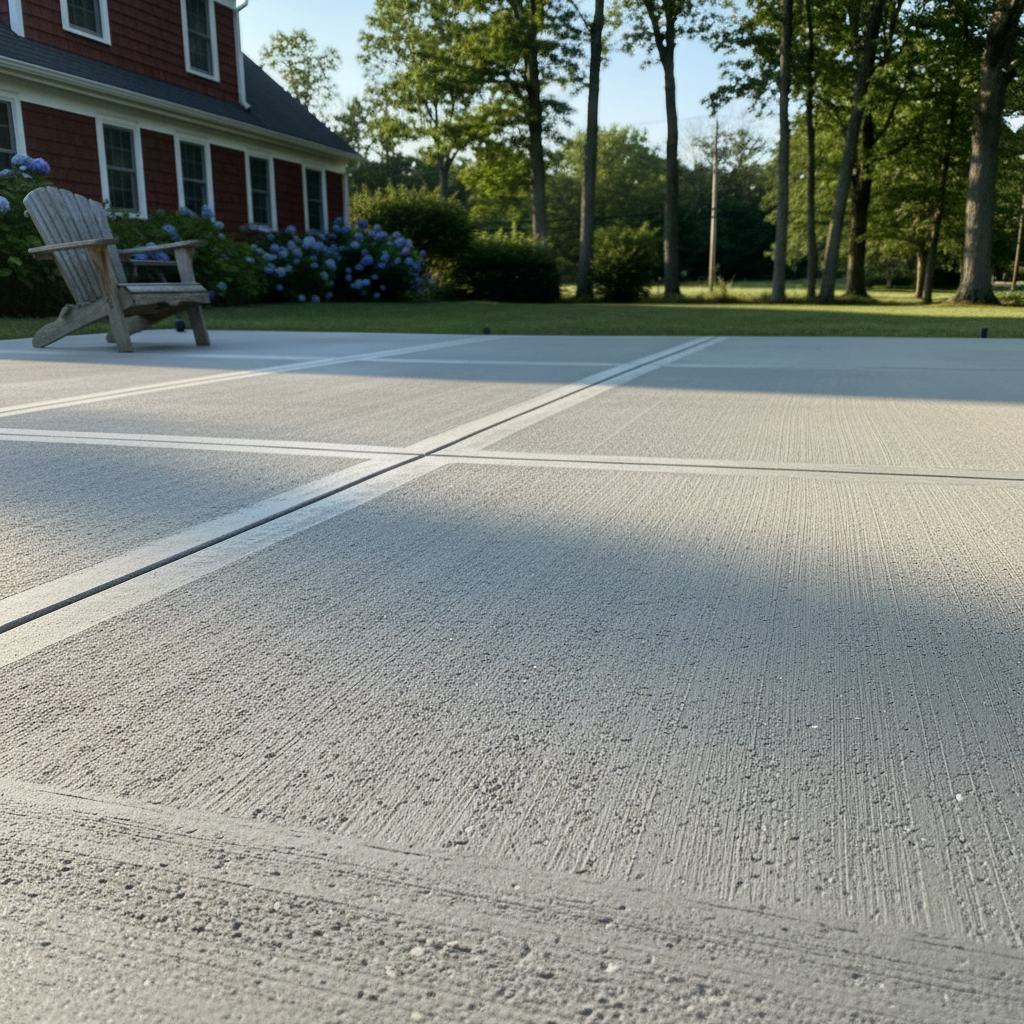
Okay, let's be real: concrete cracks. It just does that. It expands and contracts with temperature changes, and it shrinks a bit as it cures. The key isn't to prevent all cracks – that's practically impossible – but to control where they happen. That's what control joints (those cuts you see in concrete) are for. They give the concrete a designated spot to crack, usually in a straight line, which looks a whole lot better than a random, jagged crack. Hairline cracks are often just cosmetic. But if you see cracks that are widening, lifting, or have significant displacement, then yeah, that's a structural issue and something you'll want to get looked at. Don't ignore those, seriously.
Do I really need rebar or mesh in my concrete?
Absolutely, yes. Think of rebar (steel reinforcing bars) or wire mesh as the skeleton of your concrete. Concrete is super strong under compression, meaning it can handle a lot of weight pressing down on it. But it's not great under tension – it doesn't like to be pulled apart. Rebar or mesh gives it that tensile strength. It helps hold the concrete together, especially when it cracks, preventing those cracks from widening and pieces from separating. For driveways, especially, you're going to want rebar. For patios or walkways that won't see heavy vehicle traffic, mesh might be enough, but I usually recommend rebar for that extra bit of durability. It's a small extra cost for a lot more strength.
How long until I can drive on my new driveway?
Patience is a virtue, especially with concrete. While it might look solid after a day or two, it's still gaining strength. Generally, you should wait at least 7 days before driving a standard passenger vehicle on a new concrete driveway. For heavier vehicles, like a moving truck or an RV, you'll want to wait a full 28 days. That's when concrete reaches its design strength. Rushing it can cause permanent damage, like tire marks or even structural cracks, that you won't be able to fix easily. It's tough to wait, I know, but it's worth it for a long-lasting driveway.
What causes that white powdery stuff on my concrete? Is it bad?
Ah, efflorescence. That's the white, powdery, sometimes crusty stuff you're talking about. It's pretty common, especially in our damp climate. What happens is, water seeps into the concrete, dissolves mineral salts within it, and then as the water evaporates from the surface, it leaves those salts behind. It's usually not harmful to the concrete's structural integrity, but it can be an eyesore. You can often clean it off with a stiff brush and a mild acidic cleaner (like vinegar diluted with water), but keeping water from sitting on the surface and making sure you have proper drainage is key to minimizing it.
Can I really pour concrete in the winter here in Rhode Island?
You can, but it's definitely more challenging and needs specific precautions. When temperatures drop below freezing, concrete cures much slower, and if it freezes before it gains enough strength, it can be permanently damaged. We're talking about a significant loss of strength and durability. If we're pouring in colder months, we have to use special admixtures, insulate the concrete, and sometimes even use blankets or heaters to keep the curing temperatures just right. It adds to the cost and complexity. If you can, scheduling your concrete work for spring, summer, or early fall is usually the best bet to avoid those cold-weather headaches. But if it absolutely has to be done, it can be done right with the right expertise, like what we offer at Skyline Concrete Solutions.
What's the deal with sealing concrete? Do I need to do it?
Sealing your concrete is a really good idea, especially for flatwork that's exposed to the elements and traffic, like driveways and patios. A good sealer acts like a protective barrier. It helps repel water, oil, and other stains, making your concrete easier to clean. More importantly, it protects against freeze-thaw cycles, which are a major cause of concrete damage in places like Warwick. When water gets into the pores of unsealed concrete and then freezes, it expands, creating pressure that can cause spalling (flaking) and cracking. Sealing helps prevent that. I usually recommend sealing new concrete after it's fully cured (about 28 days) and then resealing every 2-5 years, depending on the type of sealer and how much wear and tear it gets.
Hopefully, that clears up some of your questions. Concrete's a tough material, but it's not indestructible, and understanding how it works and what it needs will help you get the most out of your investment. If you've got more questions or you're ready to talk about a project, don't hesitate to reach out. We're always happy to help our neighbors here in Warwick.